|
WHERE DID IT ALL START?
A CHRONOLOGICAL HISTORY OF THE DEVELOPMENT
OF RADIO
|
|
Page 5
of 7 -
SS Republic To the ARRL |
|
1911
Ships Require Wireless. As
a result of the Republic
episode, the U.S. Congress passed an act (signed June 24th
1910) which made it unlawful for any ship, whether foreign or American,
plying United States ports at least 200 miles (320 kilometres) apart to
leave these ports without wireless equipment in good working order. Such
apparatus was also required for all American ships clearing for foreign
ports. 1912
Titanic Disaster. When
this great liner struck an iceberg in mid-Atlantic on its maiden voyage,
its wireless calls for help (first use of the “SOS” distress signal)
were received by the Carpathia
which managed to arrive in time to pick up many survivors. An unfortunate
incident was brought out later, when it was discovered that one ship had
been much nearer, and could have saved many more people – if it had not
been that only one wireless operator was employed on the ship and that he
was “off-watch” at the time. It resulted to an amendment to the United
States Radio Act of 1910, requiring that two operators be employed on a
ship, so that constant watch could be maintained. Also, out of this story
emerges a new figure in the world of radio – David Sarnoff, to become,
in 1930, president of the Radio
1912
ARMSTRONG and Regeneration.
Edwin H. Armstrong, at the time was a 22 year old New York undergraduate
engineer and amateur radio operator. He conceived the idea of using a De
Forest audion to amplify the incoming signal not only once by a few
hundred percent, but to use it over and over by “feeding back” to the
input a portion of the 1912
- 1913
LANGMUIR and ARNOLD’s research results in huge improvements to
vacuum tube performance. Working for the G. E. Laboratories Irving
Langmuir, and (almost simultaneously) Harold Arnold, working for Western
Electric Company, introduced “high vacuum” to radio valves. Up until
this time, because operation of the vacuum tube was not fully understood,
it had been thought that some gas presence in a valve was a necessary part
of its operating mechanism. Langmuir and Arnold recognised this not to be
the case and went further in fully identifying the valve’s operation.
They also developed methods by which the tube could be fully evacuated and
adapted these to mass production techniques.
|
| The 1920’s brought many refinements in valve circuit technique, for example Rinartz’s superior regenerative receiver, Armstrong’s superegenerative and superhetrodyne receivers as well as the neutrodyne receiver. By opening up low power trans-Atlantic communication, the amateurs, through the ARRL and Paul Godley (using Armstrong’s superhet receiver), (PDF file with the full story of Godley's achievements from a February 1922 QST Magazine article) (PDF file giving the full story of Armstrong's Station 1BCG's achievements from a February 1922 QST Magazine article) proved how useful the “useless” shortwave bands were. |
 1909
1909 Another milestone occurred during 1911 when Hugo Gernsback’s New York
based E. I. Co., an electrical parts outlet, became the first to sell
audions (DeForest’s triode valve) to the public.
Another milestone occurred during 1911 when Hugo Gernsback’s New York
based E. I. Co., an electrical parts outlet, became the first to sell
audions (DeForest’s triode valve) to the public.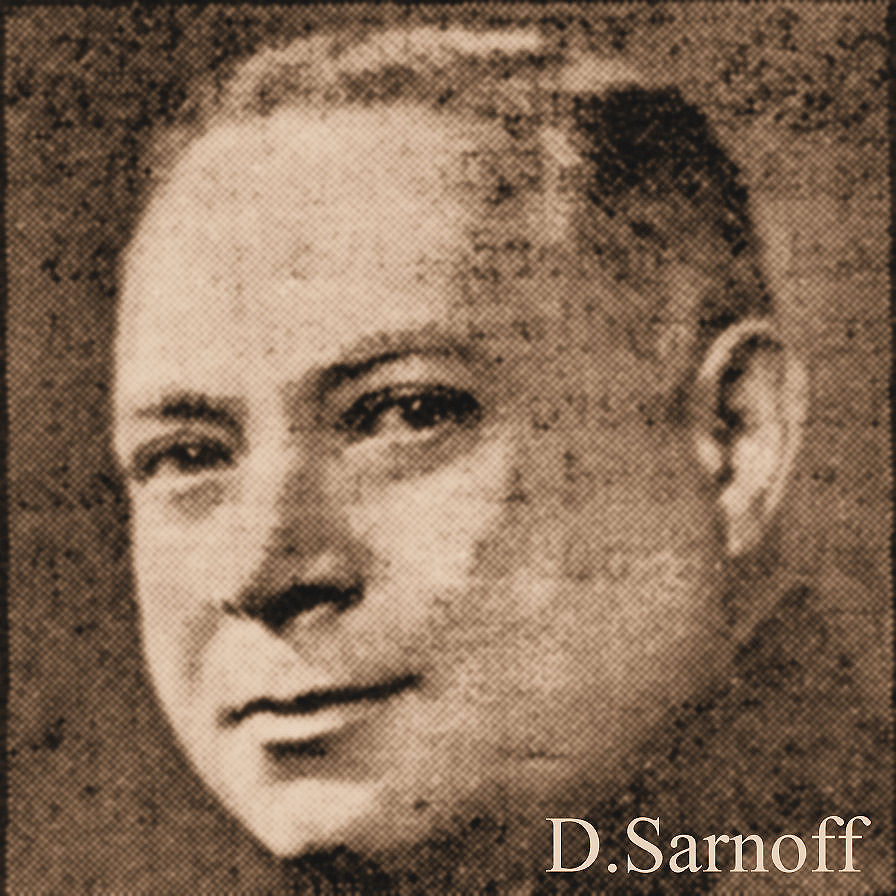 Corporation
of America (RCA). At the time he was working as a Marconi operator at the
Wanamaker Radio Station in New York City. He monitored the signals
exchanged between Titanic and its rescuers, the reports concerning the
rescue work and, finally, a list of the survivors so that an anxious world
could be advised of the consequences of this tragedy. This year also saw
the passing into law of the American “Radio Act of 1912” which required, amongst other
Corporation
of America (RCA). At the time he was working as a Marconi operator at the
Wanamaker Radio Station in New York City. He monitored the signals
exchanged between Titanic and its rescuers, the reports concerning the
rescue work and, finally, a list of the survivors so that an anxious world
could be advised of the consequences of this tragedy. This year also saw
the passing into law of the American “Radio Act of 1912” which required, amongst other  signal energy from the output circuit of the tube. This technique produced
“regeneration” of the
signal, which greatly increased the sensitivity, and selectivity of the
detector. Armstrong sort a patent in 1913 which resulted in litigation
with De Forest who claimed he had discovered it with an assistant (Van
Etten) earlier than Armstrong, though had not bothered to patent it. The
litigation continued for many years and finally resulted in De Forest
being awarded a patent by the U. S. Supreme Court in 1934, even so, today
the discovery of regeneration is generally accredited to Armstrong (along
with the superhetrodyne receiver and FM). In any case it was beyond doubt
the most important discovery in radio since the vacuum tube itself.
signal energy from the output circuit of the tube. This technique produced
“regeneration” of the
signal, which greatly increased the sensitivity, and selectivity of the
detector. Armstrong sort a patent in 1913 which resulted in litigation
with De Forest who claimed he had discovered it with an assistant (Van
Etten) earlier than Armstrong, though had not bothered to patent it. The
litigation continued for many years and finally resulted in De Forest
being awarded a patent by the U. S. Supreme Court in 1934, even so, today
the discovery of regeneration is generally accredited to Armstrong (along
with the superhetrodyne receiver and FM). In any case it was beyond doubt
the most important discovery in radio since the vacuum tube itself.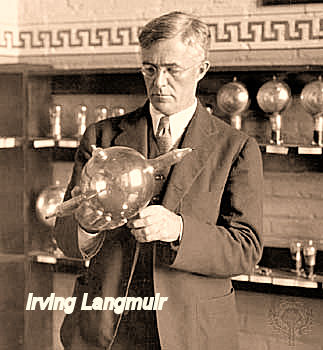
 1914
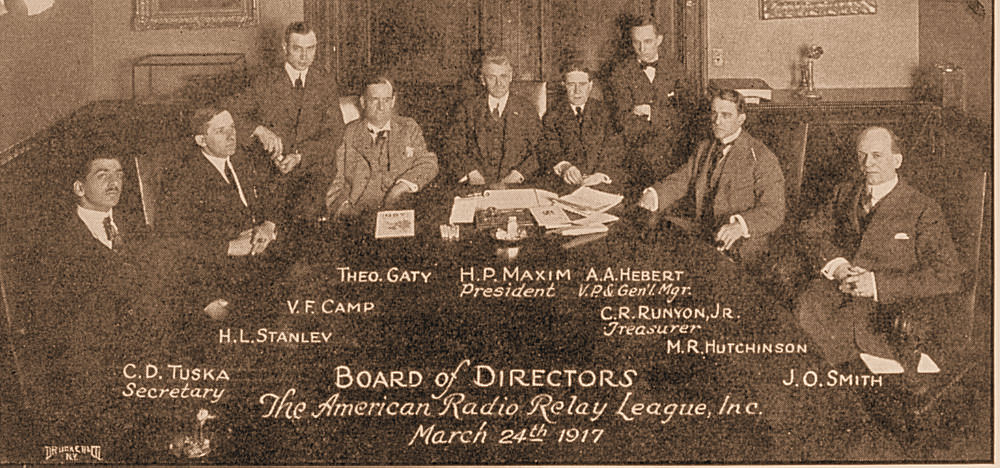
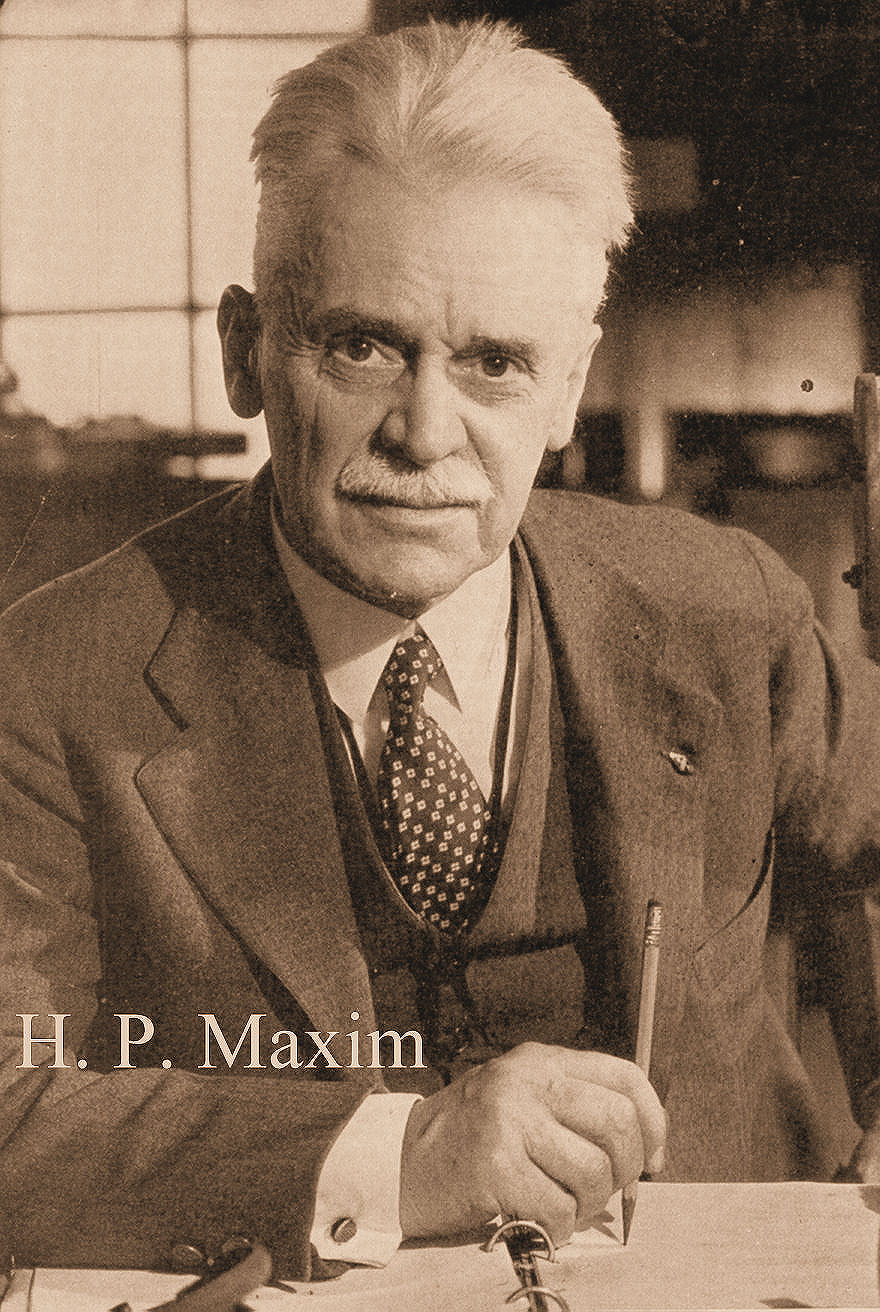
HIRAM PERCY MAXIM and CLARENCE D. TUSKA form the ARRL. When Maxim,
President of the Radio Club of Hartford (Conn),
1914
HIRAM PERCY MAXIM and CLARENCE D. TUSKA form the ARRL. When Maxim,
President of the Radio Club of Hartford (Conn), establishment of the “American
Radio Relay League”; the first steps toward this end were taken on
April 6th 1914. By September it had 237 members in 32 states
and Canada, paying no dues, save for enthusiasm. In early 1915, the ARRL
separated from the Hartford club and was legally incorporated as a
separate organisation. Maxim became its president while Tuska its
secretary. The first official magazine, “QST”, was published in December of that year. Maxim remained
president of the
establishment of the “American
Radio Relay League”; the first steps toward this end were taken on
April 6th 1914. By September it had 237 members in 32 states
and Canada, paying no dues, save for enthusiasm. In early 1915, the ARRL
separated from the Hartford club and was legally incorporated as a
separate organisation. Maxim became its president while Tuska its
secretary. The first official magazine, “QST”, was published in December of that year. Maxim remained
president of the